



Yard Waste Removal in Reno After a Big Outdoor Project
Most homeowners think finishing the project means the work is done. Deck built, landscaping complete, patio installed. But the debris pile sitting in your driveway tells a different story. Branches, dirt clumps, old fencing, concrete chunks — none of it disappears on its own. And if you're not careful about how you handle it, you're setting yourself up for fines, fire hazards, or a yard that looks worse than when you started.
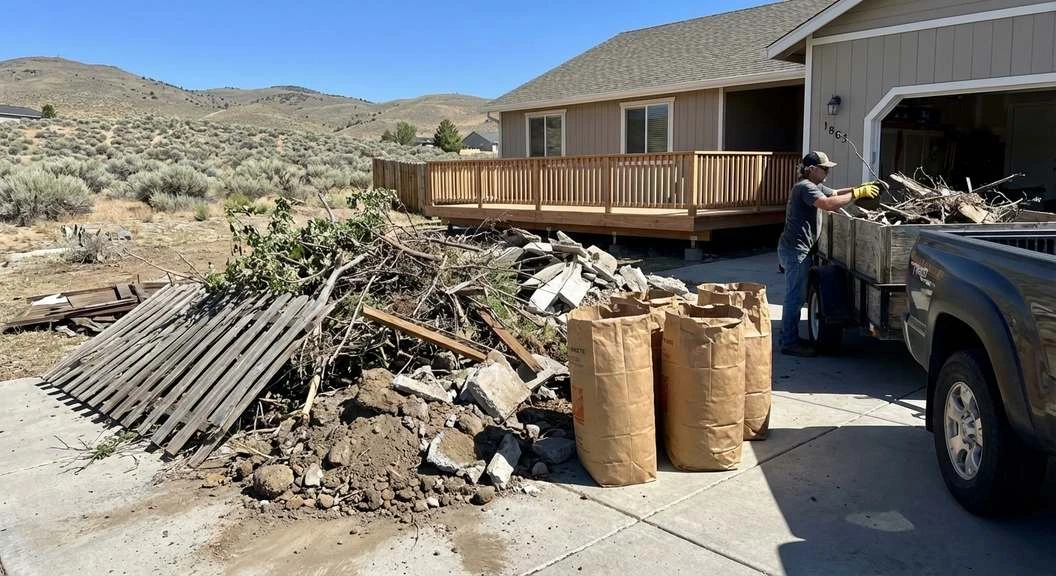
So here's what matters. Reno's climate doesn't forgive sloppy cleanup. Dry conditions turn organic piles into kindling. Pests move in fast. And the city has rules about what goes where. Every load you haul needs a destination. Every material should be sorted. And every disposal decision should be based on what the waste actually is — not just how quickly you want it gone.
When Debris Becomes a Problem
Yard waste isn't just an eyesore. It's a liability. Organic material left sitting attracts rodents, breeds mold, and creates fire risk in Reno's arid environment. We've seen homeowners lose entire sections of lawn because decomposing piles smothered the grass underneath. Others dealt with code enforcement notices after neighbors complained about the smell or the mess spilling into the street.
And it's not just about aesthetics. Improper disposal — dumping in vacant lots, tossing debris into storm drains, or mixing hazardous materials with green waste — can lead to environmental damage and steep fines. The city takes this seriously, and so should you. If you just finished a major project, the cleanup phase deserves the same attention as the build itself.
What Counts as Yard Waste
Not all debris is created equal. Organic materials like leaves, grass clippings, branches, and shrubs fall into one category. Construction leftovers — lumber, concrete, metal fixtures, old decking — fall into another. Reno's waste management system treats them differently, and mixing them up can cost you time and money.
The key is knowing what you're dealing with before you start hauling. If your project involved both landscaping and construction, you'll need separate plans for each type of waste. Organic material can often be composted or mulched. Construction debris usually requires a trip to a specialized facility or a dumpster rental. Treat them the same, and you'll end up making multiple trips or paying for disposal you didn't need.
Curbside Pickup Has Limits
Reno offers curbside yard waste collection, but it's not a free-for-all. There are rules about bundling, container types, and what materials qualify. Grass clippings and leaves? Usually fine. A truckload of tree limbs or a pile of broken concrete? Not happening.
Most providers require branches to be tied in bundles no longer than four feet and no heavier than fifty pounds. Loose debris needs to go in approved bags or bins. And if your waste includes anything non-organic, it won't get picked up at all. Check your local guidelines before you drag everything to the curb. Otherwise, you're just creating a second problem.
Drop-Off Centers Handle the Heavy Loads
For larger projects, drop-off facilities are the better option. Reno has several centers that accept yard waste, and some take construction debris too. You'll need to separate materials before you arrive — organic in one pile, non-organic in another. Some locations charge by weight or volume, so it pays to know what you're bringing.
These centers are built for efficiency, but they're not dumping grounds. Show up with mixed loads or prohibited materials, and you'll get turned away. Call ahead to confirm what's accepted and whether you need to schedule a drop-off time. A little prep work saves you from wasting a trip.
Professional Services Do the Heavy Lifting
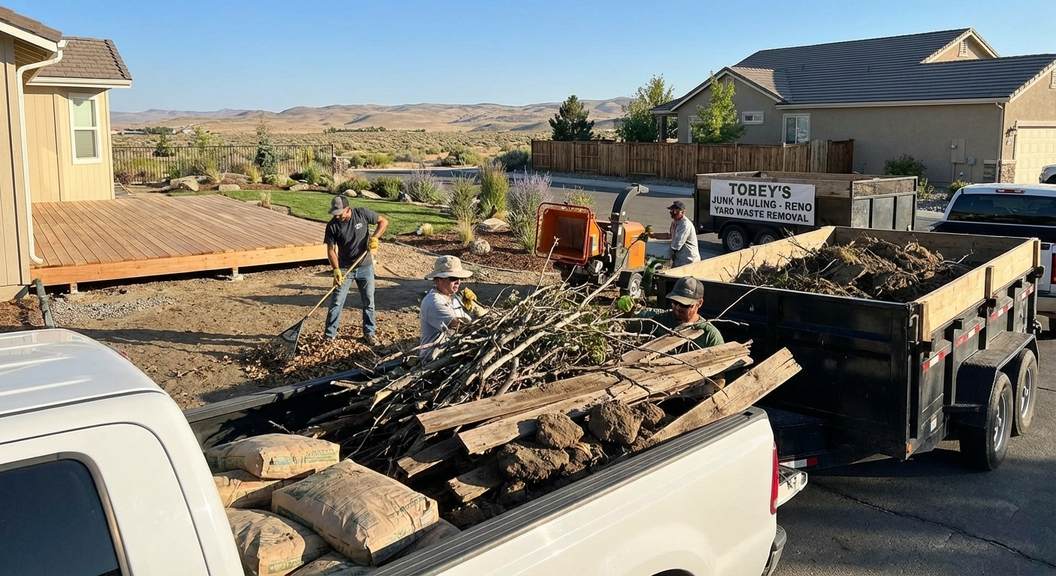
If your project left you with more debris than you can handle, hiring a yard waste removal service makes sense. These companies load, haul, and dispose of everything — often in a single visit. They know Reno's regulations, they have the equipment to handle bulk loads, and they'll sort materials for proper disposal or recycling.
Cost varies based on volume and material type, but most services offer flat-rate pricing or estimates based on photos. It's not cheap, but it's faster and cleaner than doing it yourself. And if you're already exhausted from the project, paying someone else to finish the job is worth every dollar.
Composting and Mulching Keep Waste On-Site
Not all yard waste needs to leave your property. Grass clippings, leaves, and small branches can be composted into nutrient-rich soil amendment. Larger branches can be run through a mulcher and spread around trees or flower beds to retain moisture and suppress weeds.
This approach takes time and equipment, but it's the most sustainable option. You're turning waste into a resource instead of paying to haul it away. If you're planning future landscaping projects, building a compost pile now gives you free material to work with later. Just make sure you're composting correctly — improper piles attract pests and create odor problems.
Sorting Materials Saves Time and Money
The biggest mistake we see is mixing everything together and hoping it works out. It doesn't. Organic waste goes one place, construction debris goes another, and hazardous materials require special handling. Sorting as you go — not after the pile is ten feet high — makes disposal faster and cheaper.
Here's what to separate:
- Grass clippings, leaves, and small plant trimmings
- Branches and tree limbs, bundled by size
- Lumber, fencing, and other wood construction waste
- Concrete, brick, and stone debris
- Metal fixtures, nails, and hardware
Reno's Rules Aren't Suggestions
The city has clear guidelines about yard waste disposal, and ignoring them leads to fines or rejected pickups. Dumping in unauthorized areas can result in penalties starting at several hundred dollars. Leaving debris on the curb outside of collection windows creates code violations. And mixing hazardous materials with yard waste can get you flagged for improper disposal.
We've seen homeowners lose entire weekends because they didn't check the rules first. One trip to the city's waste management website or a quick call to your provider saves you from that headache. Know what's allowed, when it's collected, and how it needs to be prepared. It's boring. It works.
Fire Risk Is Real in Reno
Dry climate means organic debris turns into fuel fast. Piles of branches, dead grass, and leaves sitting in your yard aren't just unsightly — they're a fire hazard. Especially during summer and fall when wildfire risk is already elevated.
We're not saying every pile will spontaneously combust, but the risk is real enough that fire departments and code enforcement take it seriously. If you're storing debris temporarily, keep it away from structures, power lines, and dry vegetation. Better yet, get it off your property as soon as possible. The longer it sits, the bigger the problem becomes.
Planning Ahead Prevents Pile-Up
The best time to think about waste removal is before you start the project. Renting a dumpster, scheduling a pickup, or arranging a drop-off in advance means you're not scrambling when the work is done. It also keeps your property cleaner throughout the project, which makes the whole process less stressful.
Here's what to plan for:
- Estimate the volume of waste your project will generate
- Decide whether you'll handle removal yourself or hire a service
- Reserve a dumpster or schedule pickups before you start
- Set aside space for sorting materials as you work
- Confirm disposal locations and hours for drop-offs
Environmental Impact Matters
Responsible disposal isn't just about following rules — it's about reducing landfill use and keeping pollutants out of Reno's waterways. Composting and mulching return nutrients to the soil. Recycling construction materials reduces demand for new resources. And proper sorting ensures hazardous materials don't contaminate green waste streams.
Every load you divert from the landfill makes a difference. It's not about being perfect. It's about making better choices when the options are right in front you. And in Reno, those options are plentiful if you know where to look.
Cleanup Isn't Optional
Finishing your outdoor project feels great until you look at the debris pile and realize the job isn't done. Yard waste removal isn't glamorous, but it's necessary. Whether you're bundling branches for curbside pickup, hauling loads to a drop-off center, hiring a pro, or composting on-site, the goal is the same — get it handled right so your property stays clean, safe, and compliant. Reno's rules are clear, the resources are available, and the consequences of cutting corners aren't worth it. For residential junk removal needs beyond yard waste, professional help ensures proper disposal. If you're dealing with a larger property cleanup after renovations or landscaping, house and garage clean out services can handle both indoor and outdoor debris efficiently. Plan smart, sort carefully, and finish the job the right way with support from Tobey's Junk.
Let’s Clear Your Yard the Right Way
We know how satisfying it is to see your outdoor project finished—and how frustrating it can be to face a mountain of leftover debris. Let’s make sure your hard work shines by getting rid of the mess quickly and safely. If you’re ready to reclaim your space and avoid the hassle, give us a call at 775-737-1796 or schedule a pickup today. We’ll handle the heavy lifting so you can enjoy your yard again.
‹ Back
Recent Posts
-
What Is the Best Junk Removal Service Near Me in Reno?
October 19, 2026
-
How Much Does a Full House Cleanout Cost in Reno?
October 5, 2026
-
What Is the Cheapest Way to Get Rid of Junk in Reno?
September 21, 2026
-
What Is the Average Price for Junk Removal in Reno?
September 7, 2026
-
What’s Included in Junk Removal Service in Reno?
August 24, 2026