



Where Reno Yard Waste Goes After a Haul
Execution is the only thing that separates yard waste removal from just moving piles around. Most people think it's straightforward: rake it, bag it, haul it off. But they're missing the real game. The second that debris leaves your curb, it enters a system that either works or breaks down. If your team doesn't grasp the difference between dumping organic material and routing it through proper channels, you're feeding a problem, not solving one. Yard waste doesn't vanish. It gets processed, composted, mulched, or sent to facilities designed to handle green loads the right way. In Reno, this isn't a nice-to-have. Fire risk and water scarcity mean organic debris isn't clutter — it's a threat. The teams who understand this don't just clear your property. They follow through on a process that matters long after the truck pulls away. That's what separates doing the work from doing it well.
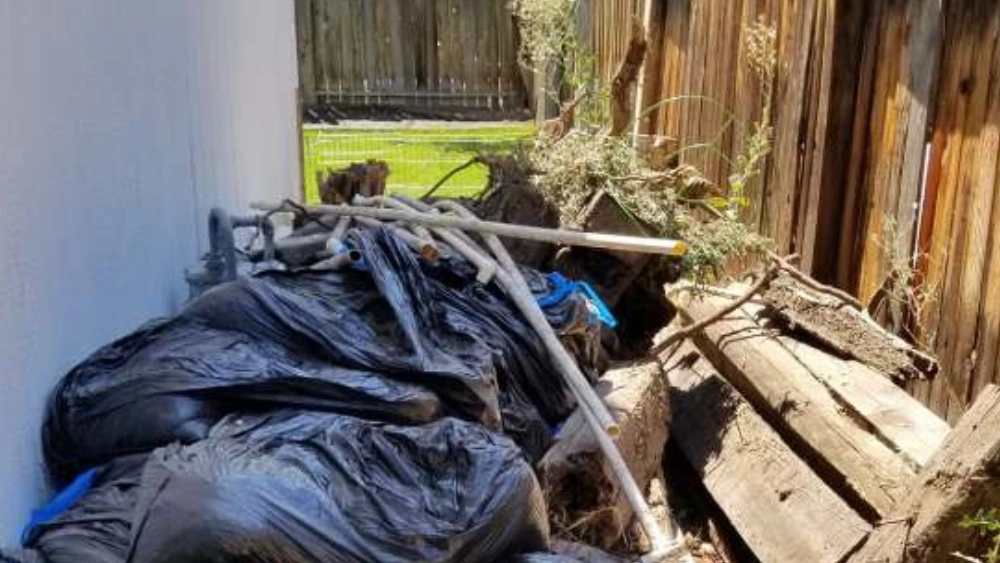
So here's the reality. If you're trimming trees, clearing brush, or pulling stumps to protect your property, that's smart. Just don't assume every hauler treats that material with the same care. Every branch should end up where it belongs. Every load needs a destination that makes sense. And every disposal decision should be grounded in what the material is — not just how fast it left your driveway.
Tree Branches and Brush
Branches and brush make up the bulk of what we haul in Reno. You cut back overgrowth, we load it up — but that's not the end of the line. Most tree limbs and shrub clippings get routed to facilities that chip, grind, or compost organic material. The goal is to keep it out of landfills and turn it into mulch, soil amendment, or erosion control products.
But not all brush is created equal. Dead wood, diseased limbs, and invasive species sometimes require separate handling. We sort as we load, especially when fire season's looming and dry material needs to be processed quickly. If you're clearing defensible space around your home, that debris gets priority treatment — and it should. Reno's wildfire risk isn't theoretical, and neither is the need for fast, responsible brush disposal.
- Healthy branches get chipped and composted at local green waste facilities
- Diseased or infested wood may be quarantined or processed separately to prevent spread
- Dry brush during fire season is fast-tracked to reduce community risk
- Large limbs are often ground into mulch or used for erosion control projects
We've seen plenty of DIY haulers toss everything into a single pile and call it good. That's not how yard waste removal works when it's done right. Sorting matters. Destination matters. And knowing which facility accepts what type of material keeps the process clean and compliant.
Grass Clippings
Grass clippings aren't the problem — what you do with them is. They're heavy, they're soaked, and they mat down into dense layers. Dump them in a landfill and they break down into methane, a gas that punches way above CO₂'s weight class. The top haulers in Reno skip the landfill entirely. They route clippings to composting operations, where they're mixed with other organic material and turned into soil that actually performs. The process filters for what works: clippings that get composted don't vanish, they return as something better. It's a meritocracy of waste — proof beats promises, and outcomes beat intentions.
- Fresh clippings are composted alongside leaves and food waste
- Dried grass can be used as mulch or ground cover in landscaping projects
- Clippings mixed with weeds or seeds may require separate processing to avoid contamination
- Large volumes from commercial properties often go to industrial composting sites
Execution is everything when you're running a commercial property that needs consistent lawn care. Clippings pile up faster than most people realize. We've built partnerships with composting facilities in the area so those loads move out efficiently and land exactly where they're supposed to. Nobody's writing songs about this kind of work, but it's what divides operations that actually function from ones that just look busy.
Large Stumps
Stumps? They're a whole different challenge. Dense, stubborn, and usually packed with dirt and rocks. Most green waste facilities won't accept them without processing. That means grinding them down where they sit or hauling them to a facility with industrial-grade grinders. After processing, the material gets a second life—mulch, compost filler, or fuel for biomass energy operations.
Around Reno, stump removal usually happens alongside bigger jobs—property cleanouts, landscaping projects, land prep for new construction. If you're clearing space or just done tripping over an old root system, we pull it out and haul it off in one move. No grinder rentals. No guessing where to dump a thousand-pound hunk of wood. We've got the gear and the network to execute it cleanly.
Soil and Dirt Removal
Soil and dirt? They're not yard waste. But they're on every single job. Leftover fill from grading. Dirt packed around roots. Mud caked on stumps. It all has to go somewhere. Clean soil? That's easy. Reuse it. Donate it to a community garden or a neighbor doing landscaping. Contaminated soil — the kind mixed with debris, chemicals, or construction junk — that's a different game. It goes to approved disposal sites. No shortcuts. No dumping. You handle it right, or you don't handle it at all.
- Clean topsoil gets redistributed to farms, gardens, or erosion control projects
- Rocky or clay-heavy dirt may be used for grading or fill material
- Contaminated soil requires testing and disposal at licensed facilities
- Large volumes from excavation projects are coordinated with commercial disposal sites
We don't just toss dirt in the back of a truck and hope for the best. Every load gets evaluated, and we route it based on quality and composition. If you're dealing with a major excavation or construction debris removal, we'll work with you to figure out what can be reused and what needs to go.
Composting and Recycling
Most organic yard waste gets composted — because it's the only move that makes sense. You take dead plants and clippings and turn them into something that actually feeds the soil instead of rotting in a landfill. Reno's got composting facilities that take green waste, and we haul to them constantly. Loads show up clean, sorted, ready to go.
Recycling yard waste isn't some feel-good checkbox. It cuts landfill load, drops methane output, and builds a local stockpile of compost and mulch that the whole community uses. When you work with a crew that sends waste to composting, you're not just cleaning up your property — you're feeding a system that makes Reno stronger from the ground up.
- Leaves, grass, and small branches are composted into nutrient-rich soil amendments
- Wood chips from larger limbs are used as mulch in parks and landscaping projects
- Organic material is kept out of landfills, reducing methane production
- Finished compost is sold or donated to local farms, gardens, and erosion control efforts
We've handled jobs for homeowners, commercial properties, and estate cleanouts where yard debris stacked up for years. Every time, the mission stays consistent — sort it, process it right, and push it through proper channels. That's what real disposal looks like. It's what divides operators who execute from those who just toss and bail.
Local Disposal Facilities
Reno's disposal network isn't one-size-fits-all — and if you don't know which facility handles what, you'll waste time and money. Some only process green waste. Others accept mixed loads but hit you with sorting fees. A handful specialize in composting. The rest? Grinding and mulch. We've spent years building direct lines to these facilities. We know their rules, their limits, and how to move material efficiently without burning budget or compromising quality.
- Green waste facilities accept leaves, grass, branches, and other organic material
- Composting centers process organic loads into finished compost for resale or donation
- Grinding operations turn large limbs and stumps into mulch and wood chips
- Transfer stations handle mixed loads and route material to appropriate facilities
- Landfills are the last resort, used only when material can't be recycled or composted
When you call us for yard debris removal in Reno, you're not just getting a truck and a crew. You're getting a team that knows where everything goes and why it matters. We don't guess. We don't dump illegally. And we don't treat your yard waste like it's someone else's problem once it leaves your property.
Get Help with Yard Waste Hauling in Reno
Clearing your property is one thing. Making sure that material ends up in the right place is another. At Tobey's Junk Hauling, we handle both — fast, clean, and with zero confusion about what happens next. Whether you're dealing with storm damage, seasonal trimming, or a full-scale yard overhaul, we've got the equipment and the know-how to get it done right. Call 775-737-1796 or reach out online to schedule your haul today.
‹ Back
Recent Posts
-
What Is the Best Junk Removal Service Near Me in Reno?
October 19, 2026
-
How Much Does a Full House Cleanout Cost in Reno?
October 5, 2026
-
What Is the Cheapest Way to Get Rid of Junk in Reno?
September 21, 2026
-
What Is the Average Price for Junk Removal in Reno?
September 7, 2026
-
What’s Included in Junk Removal Service in Reno?
August 24, 2026