



What Happens After an Eviction Cleanout in Reno Homes?
Eviction cleanouts don't end when the last box gets hauled out. Most landlords think the hard part is over once the tenant's gone and the locks are changed. But the real work starts after the door closes. What's left behind isn't just clutter—it's liability, lost time, and a property that won't rent itself until you handle what comes next. The IRS won't care about your eviction, but the city inspector will. So will your insurance company. And so will the next tenant who walks through that door expecting move-in ready.
Here's what actually happens. You've got a property that needs more than a broom and some air freshener. You've got legal obligations around abandoned belongings. You've got repairs that weren't obvious until the furniture moved. And you've got a clock ticking on vacancy costs while you figure out how to get the place back on the market without cutting corners or breaking code.
Walking Through What Got Left Behind
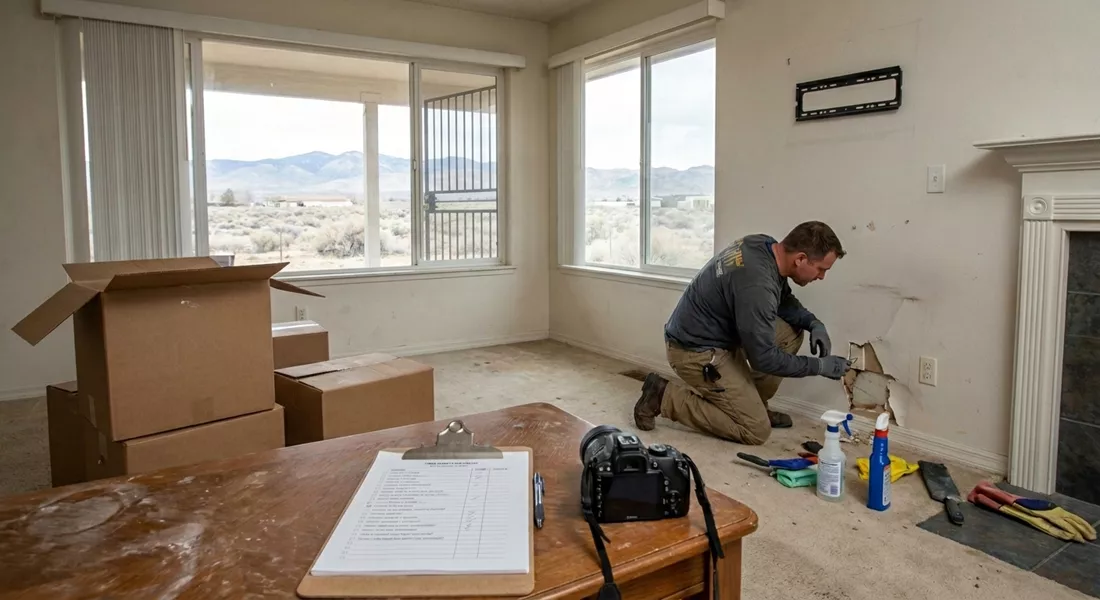
The first move is documentation. Not just a quick glance—real documentation. Photos of every room, every stain, every busted fixture. Notes on what's damaged versus what's just dirty. This isn't paranoia, it's protection. If the former tenant disputes deposit deductions or claims you trashed their stuff, you'll need proof of what the property looked like the day they left.
Nevada law doesn't let you toss everything immediately. Anything with value has to be stored for at least 30 days, and you're required to notify the tenant where they can pick it up. Miss that step, and you're opening yourself up to legal trouble. Items with no real worth can go straight to the dumpster, but that laptop or jewelry box? Those need to be cataloged and held. It's tedious, but it's the law.
Clearing Out Without Crossing Lines
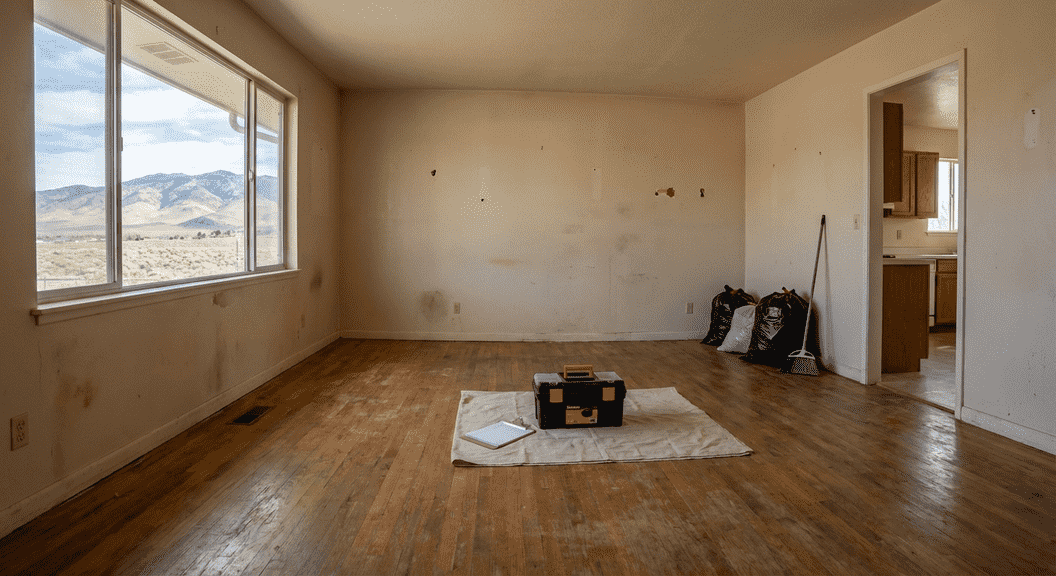
Once you've sorted what stays and what goes, the cleanout begins in earnest. This is where most landlords underestimate the scope. It's not just about removing belongings—it's about dealing with what those belongings left behind. Stains, odors, pests, biohazards. We've seen properties where the carpets had to be ripped out entirely. Others where walls needed repainting just to kill the smell.
Professional eviction clean-out services aren't optional here—they're strategic. A deep clean covers what a standard turnover won't touch. That includes sanitizing bathrooms and kitchens, scrubbing baseboards, treating for pests, and addressing any health hazards. If you skip this step, the next tenant will notice. So will the inspector.
Repairs That Weren't on the Radar
Eviction cleanouts have a way of revealing damage that was hidden under furniture or behind closed doors. Holes in drywall. Broken windows. Plumbing leaks that went unreported. Electrical outlets that don't work. Some of it's wear and tear. Some of it's neglect. Either way, it's your problem now.
You'll need to prioritize what gets fixed first. Safety issues come before cosmetic ones. That means addressing anything that affects habitability or violates local housing codes. Here's what typically needs attention:
- Broken locks or damaged doors that compromise security
- Plumbing leaks or non-functional fixtures
- Electrical problems like exposed wiring or dead outlets
- Structural damage including holes, cracks, or water damage
- HVAC issues that affect heating or cooling
Locking Down Security and Safety
Changing the locks isn't negotiable. Even if you think you got all the keys back, you didn't. Former tenants, their friends, their relatives—anyone could have a copy. New locks mean new control. It's a small cost compared to the risk of unauthorized entry or theft.
Safety devices need a full check too. Smoke detectors, carbon monoxide alarms, fire extinguishers—all of it. Replace batteries, test functionality, and swap out anything that's expired or damaged. This isn't just about compliance. It's about protecting yourself from liability if something goes wrong with the next tenant.
Getting Past the Inspection
Reno rental properties have to meet city housing codes before they can be re-rented. That means an inspection is coming, whether you schedule it yourself or the city does. Inspectors will check for habitability, safety, and health code compliance. They'll look at everything from water pressure to window locks to whether the stove actually works.
Fail the inspection, and you're stuck. You can't legally rent the property until violations are corrected and re-inspected. That's more vacancy time, more lost rent, and more frustration. Most landlords avoid this by doing a pre-inspection walkthrough themselves, fixing obvious issues before the official visit. Professional residential junk removal helps clear out debris and unwanted items that could flag violations. For properties requiring extensive clearing, house and garage clean-out services ensure every space meets inspection standards. If the property was left in severe disarray, hoarding clean-out specialists can restore order and safety. Additionally, appliance and furniture removal addresses bulky items that obstruct access or violate code. For properties with accumulated outdoor debris, yard waste removal ensures exterior spaces are compliant and presentable.
Let’s Get Your Property Ready for What’s Next
We know how important it is to turn your rental around quickly and safely after an eviction. Let’s take the stress out of the process together—call us at 775-737-1796 to talk through your needs, or schedule a pickup and we’ll help you get your property back on the market, ready for new tenants.
‹ Back
Recent Posts
-
What Is the Best Junk Removal Service Near Me in Reno?
October 19, 2026
-
How Much Does a Full House Cleanout Cost in Reno?
October 5, 2026
-
What Is the Cheapest Way to Get Rid of Junk in Reno?
September 21, 2026
-
What Is the Average Price for Junk Removal in Reno?
September 7, 2026
-
What’s Included in Junk Removal Service in Reno?
August 24, 2026